TEXTILES.ORG



Company:
TM Covers
Project Details
Fabric 1
HDMPE
Producer/Manufacturer:
OTHER
Primary Use:
Main Fabric
Design Name
Greg Knox & Ross Jacobs
Design Company
Plant & Food Research
Please describe the project specifications
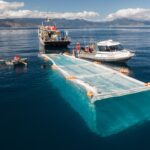
Our company was approached by a local company with drawings for a design of a mobile fish farm. They arrived armed with fabric samples, large oversized zips, hose and sensor components and wanted to know if we could build the tank. After a series of meetings to refine the design and problem solve the how the tank would practically work we developed trial samples for approval.
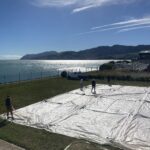
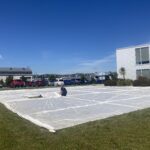
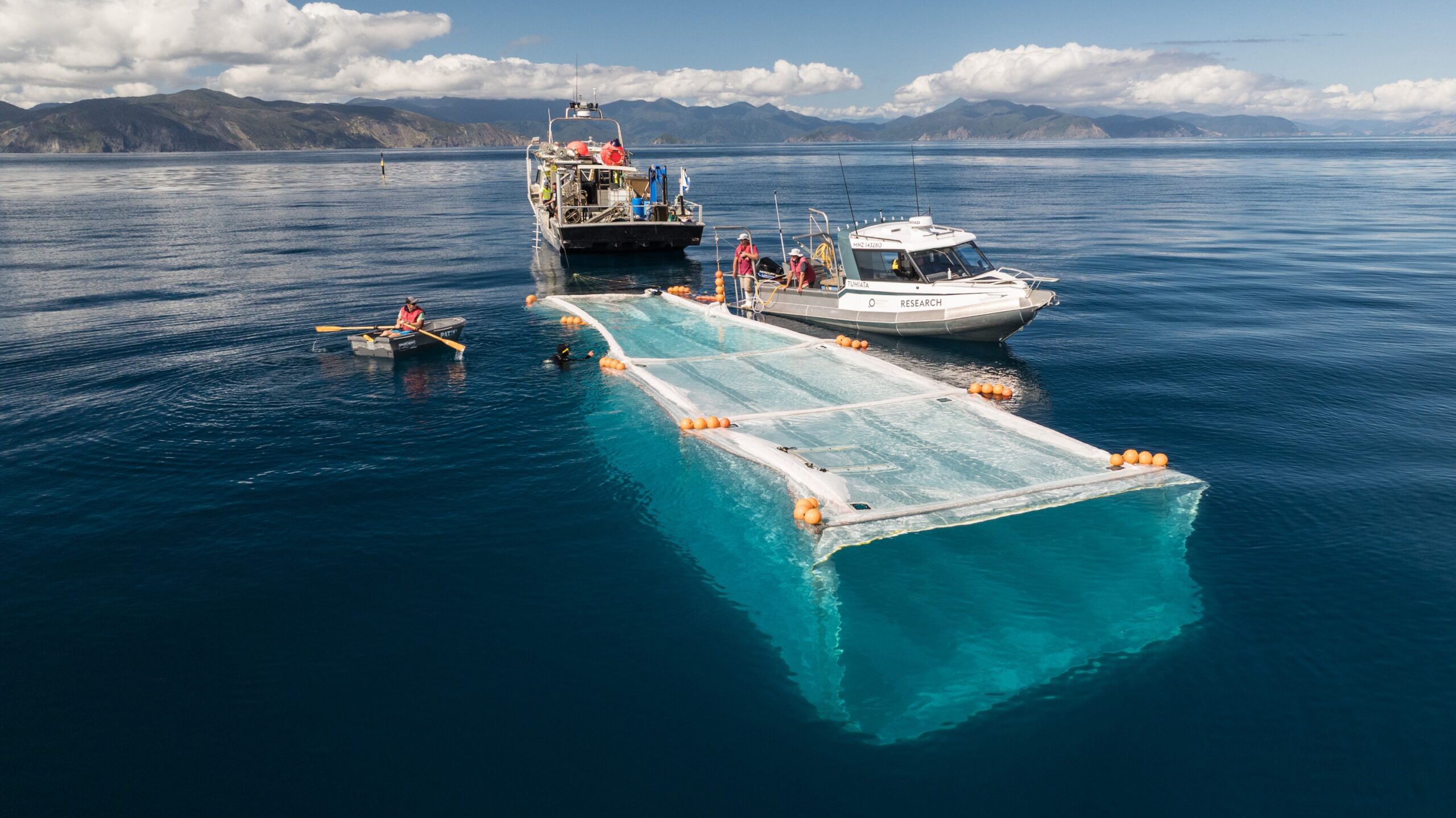
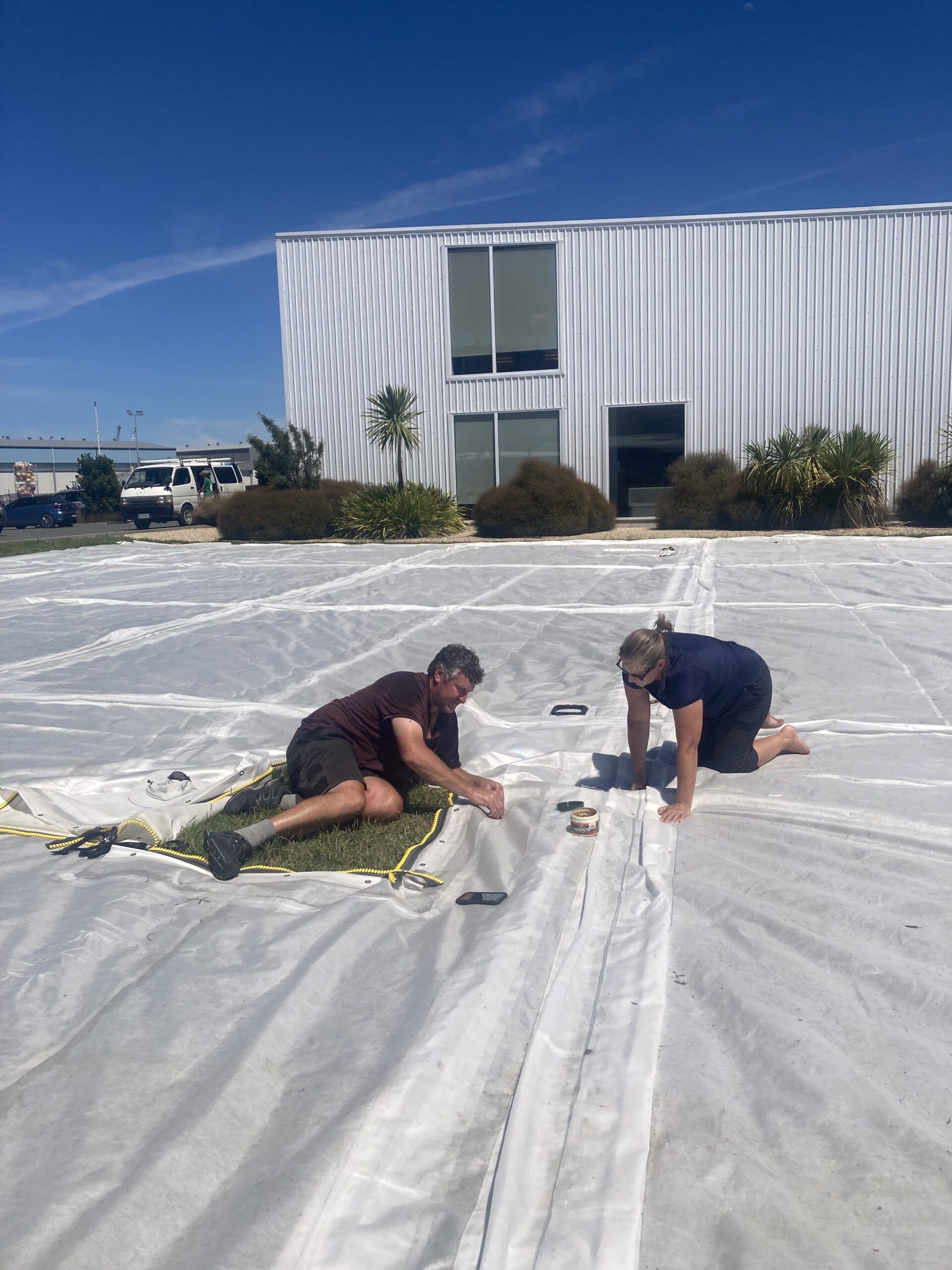
The tank was then fabricated from fabric supplied by the customer along with extremely large zips sourced from Germany. The tank was made in a flat panel around 19m x 19m with a series of sectional pockets for hoses both welded and sewn onto the top and undersides of the fabric. Some of the pockets were continuous through the length of the panel and others crosswise terminating in sections at the junction of the pockets.
There were two large 1m x 2m hatches created using the Zips, with additional flaps secured with velcro and Stainless steel eyelets to enable to hatch to be secured shut so the fish could not escape. The hatch needed to be able to be operated, whilst deployed in the ocean, by glove wearing divers.
All additional fittings were sourced from our New Zealand based suppliers, including velcro, rope and eyelets.
What is unique or complex about the project?
This project was the culmination of months of collaboration with our client and followed a series of design meetings, sample trials and fabrication of a smaller prototype before this project was commenced. Consideration of factors including that the product would be deployed in the open sea and operational features needed to be able to be used by glove wearing divers, so planning and thoughtful design was critical.
This project has been recently reported in nationwide media as a groundbreaking programme for the raising of snapper off the South Island coast. It is an innovative use of fabric to create a low impact and environmentally friendly product to aid food production into the future.
Challenges we faced were working the a fabric with largely unknown properties that required many trials for optimal fabrication. Trials were required to get the fabric to weld well and the fabric also caused our scissors to go blunt! The size of the cover meant physical manipulation was difficult exceeding our bench size meaning the fabric had to be manoeuvred during fabrication so keeping weld and sewing lines straight was hard.
Production had commenced when our clients changed the design to include and accommodate more hoses and sensors.
Content is submitted by the participant. ATA is not responsible for the content descriptions of the IAA award winners.
PFR

PRF

PRF
PRF