TEXTILES.ORG



Company:
Interiors & Coverings
Project Details
Fabric 1
Spradling Tannery Vinyl
Producer/Manufacturer:
Spradling
Primary Use:
Main Fabric
Fabric 2
EZY dry foam
Producer/Manufacturer:
Unsure - Supplied by W.Wiggins
Primary Use:
Foam
Please describe the project specifications
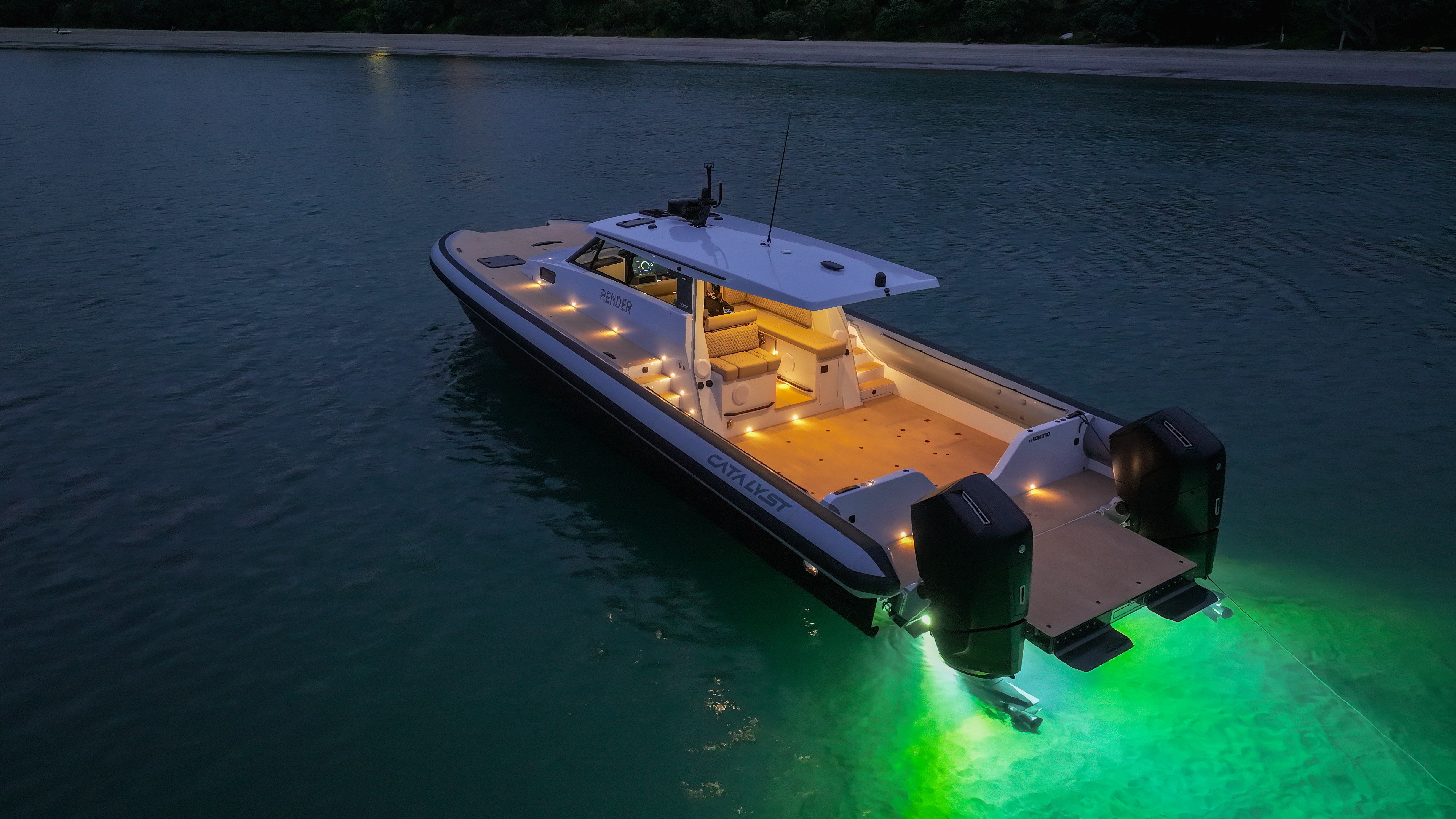
Render was designed as a chase boat for a superyacht during its time in Fiji and the surrounding islands. It was built as a high-end play boat, capable of towing a jet ski at 50 knots, transporting guests between the mothership and shore, and accessing the best surf and water-play locations.
The brief was to create something functional, yet classy and durable, delivering the finish expected of a luxury vessel. Built in Auckland, our company was involved from the initial concept stage, designing the upholstery, exterior covers and cabin furnishings.
What is unique or complex about the project?
This project included a number of feature design elements created to make the vessel practical for play, while still feeling comfortable, stylish and appropriate for its high-end clients.
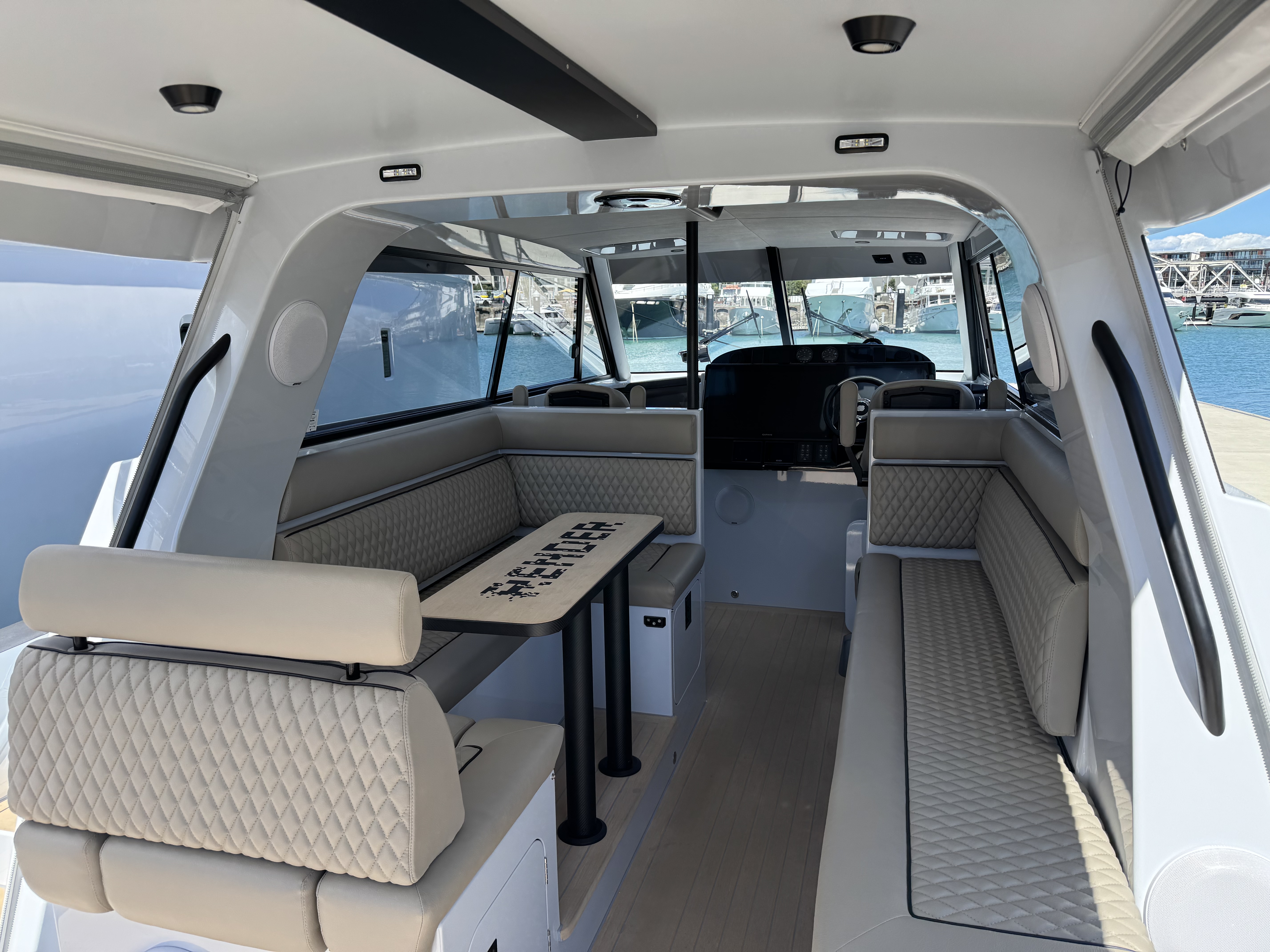
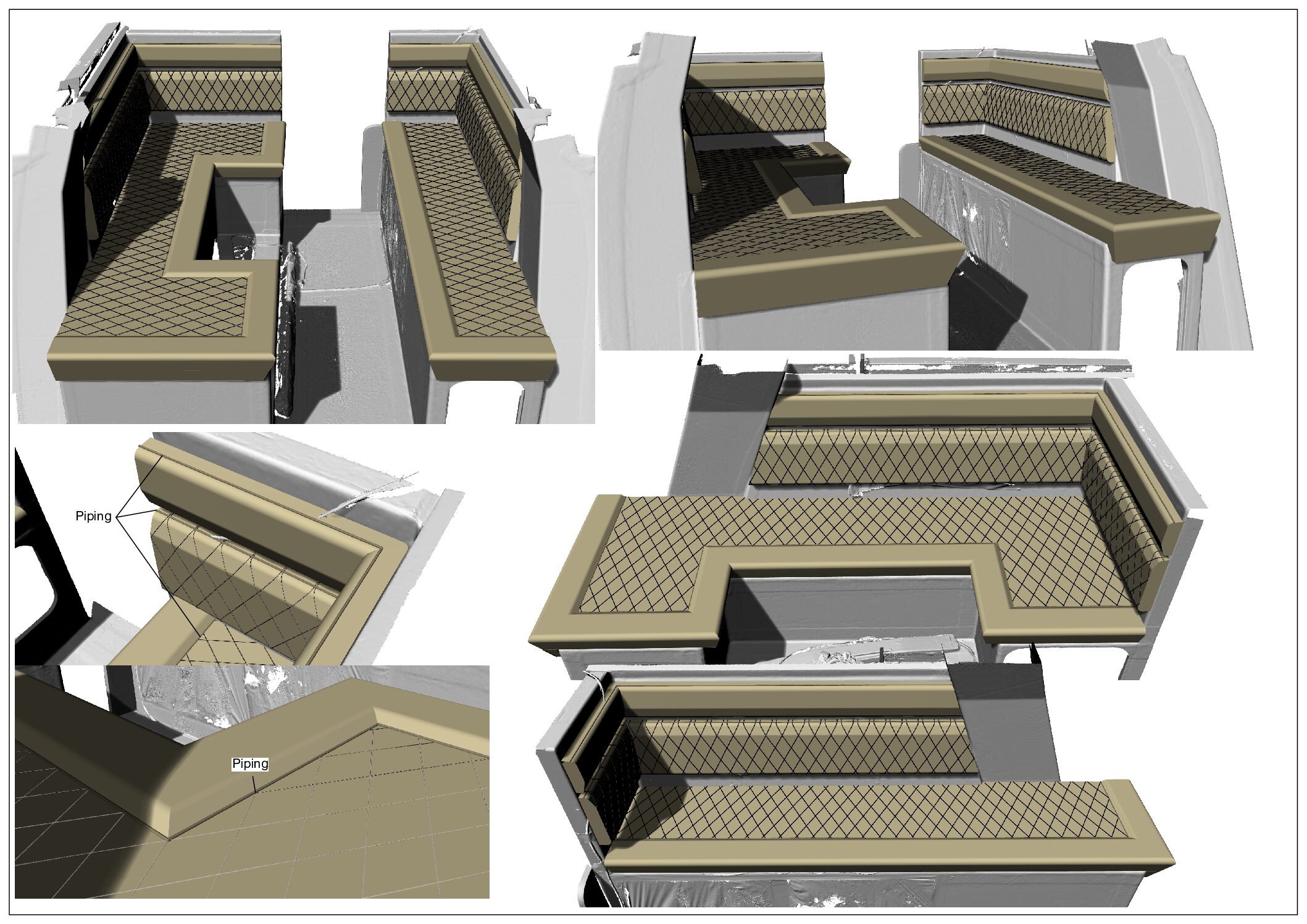
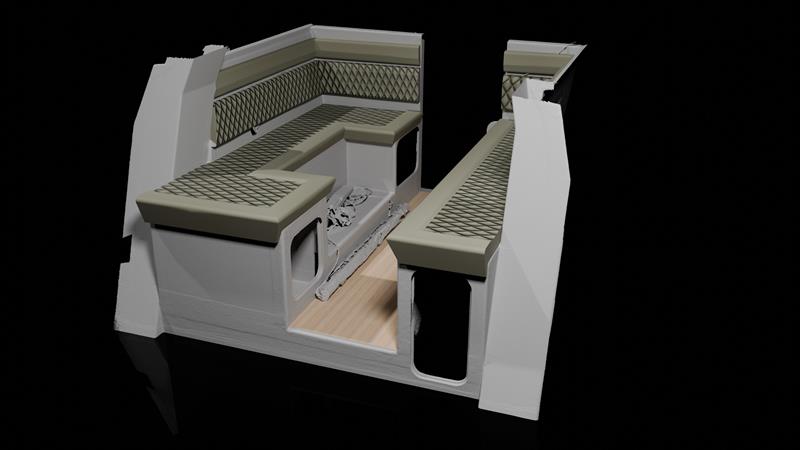
Using concept renders, we presented the client with several upholstery design options. They selected a sleek, small single-diamond feature stitch with contrasting piping, giving the seating a refined custom finish without overpowering the overall design.
We also incorporated a hinged backrest into the aft seat, adding versatility between the saloon and cockpit spaces. This allowed the seating layout to adapt depending on how the vessel was being used, whether for lounging, entertaining or moving between activities. Using 3D scanning and CAD design, we were able to present the concepts visually and make refinements with the client before moving into manufacture. This allowed the design details, proportions and functionality to be reviewed early, helping ensure the finished upholstery and furnishings aligned with both the client’s expectations and the vessel’s intended use.
After reviewing the proportions of the seating areas, we chose to split the backrest between the base squab and the upper backrest. This created a more visually balanced result, reducing the impact of the differing depths between the seat base and backrest. The final design felt cleaner, more proportional and better integrated into the vessel’s overall styling.
Content is submitted by the participant. ATA is not responsible for the content descriptions of the IAA award winners.

Lloyd Stevenson Boat Builders

Lloyd Stevenson Boat Builders
Lloyd Stevenson Boat Builders
Lloyd Stevenson Boat Builders