TEXTILES.ORG



Company:
Solmax
Project Details
Fabric 1
MIRAFI® Polyfelt® PEC geocomposite
Producer/Manufacturer:
Solmax International Inc.
Primary Use:
Main Fabric
Engineer Company 1
Acciona Agua, D.M. Consuji, Inc., and Alcantara-Ubay
Please describe the project specifications
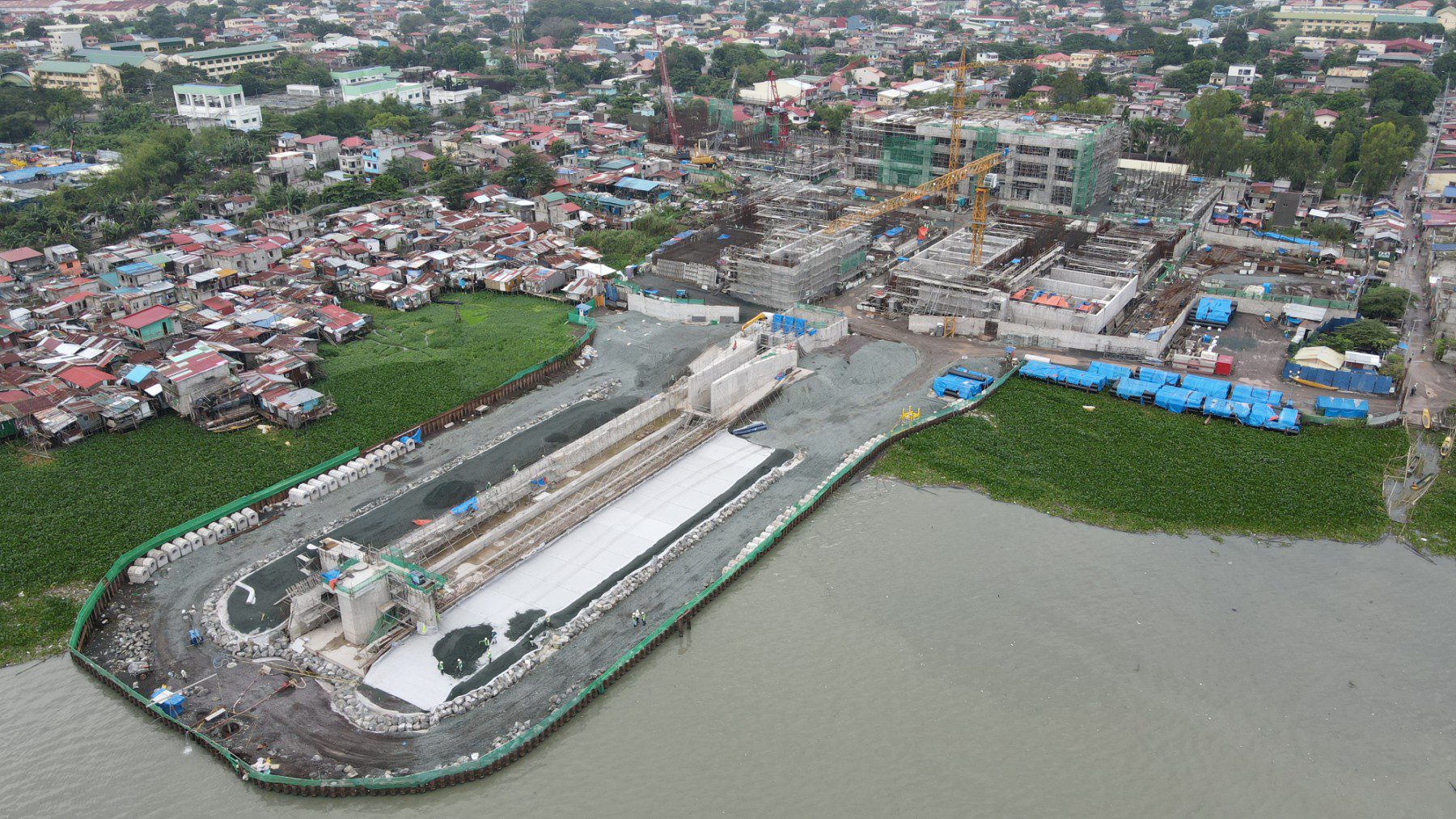
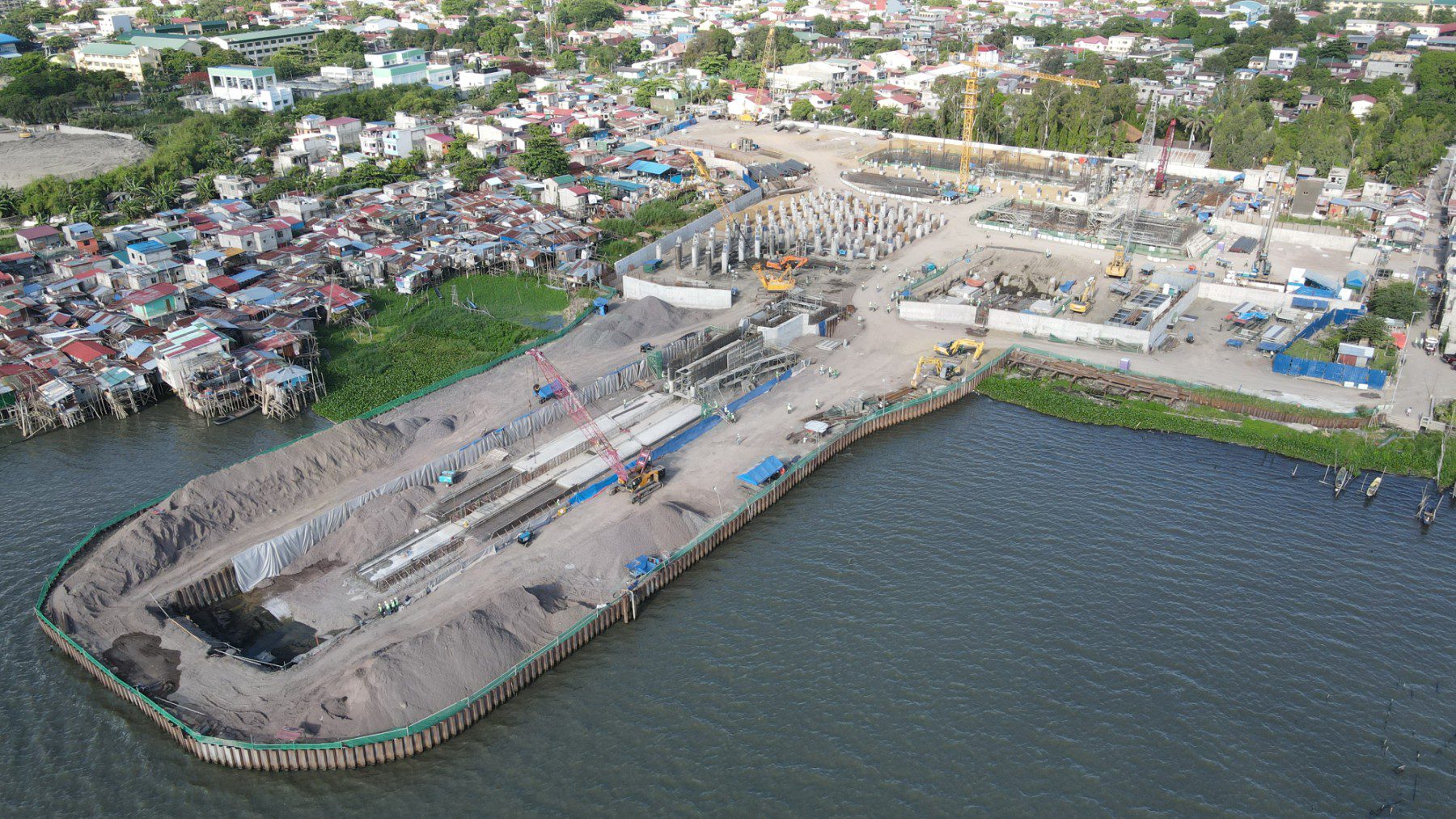
The Poblacion Water Treatment Plant also known as the Laguna Lake Drinking Water Treatment Plant in the Philippines has garnered international acclaim for its innovative approach to reducing environmental impacts. They won the “Water Project of the Year” in the prestigious Global Water Awards recently.
Situated on the shores of Laguna Lake, the largest lake in the Philippines and the second-largest inland freshwater lake in Southeast Asia, this state-of-the-art facility was constructed in two phases. It now boasts a final treatment capacity of 150 million litres per day, serving communities in Parañaque, Las Piñas, Muntinlupa, and Cavite.
With climate change increasingly affecting the quality of raw water in Laguna Lake, the plant's additional water supply plays a crucial role in mitigating service interruptions and enhancing water pressure and availability for Maynilad customers. In line with its commitment to meet and surpass the Philippine National Standards for Drinking Water (PNSDW), the plant employs a sophisticated multi-stage treatment process. This includes Dissolved Air Flotation, Cloth Filter, Biological Aerated Filter, Ultrafiltration, Reverse Osmosis, and Chlorination. Such a comprehensive approach not only ensures regulatory compliance but also promotes water sustainability and climate resilience, aligning with the broader vision of a healthier, more sustainable future.
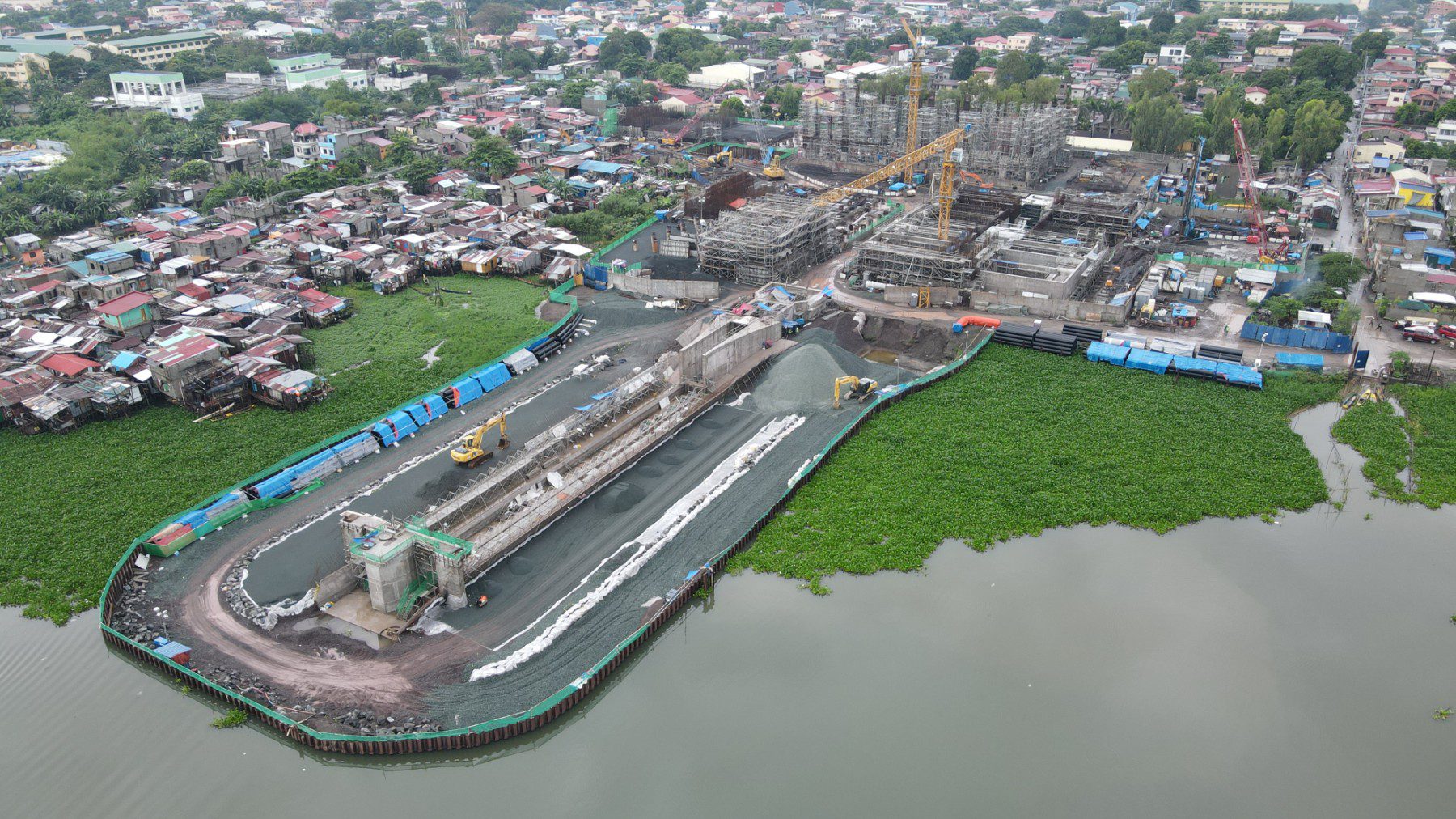
Situated in a flood-prone area, the plant's location presented unique challenges that demanded innovative solutions to enhance resilience and minimize environmental impact. These measures included raising the ground level by up to 5.5 meters and treating the soft soil conditions of the lakebed prior to construction. Excavation of the raw water intake channel, reaching depths of up to 2.8 meters, required continuous suction pumping to manage water buildup.
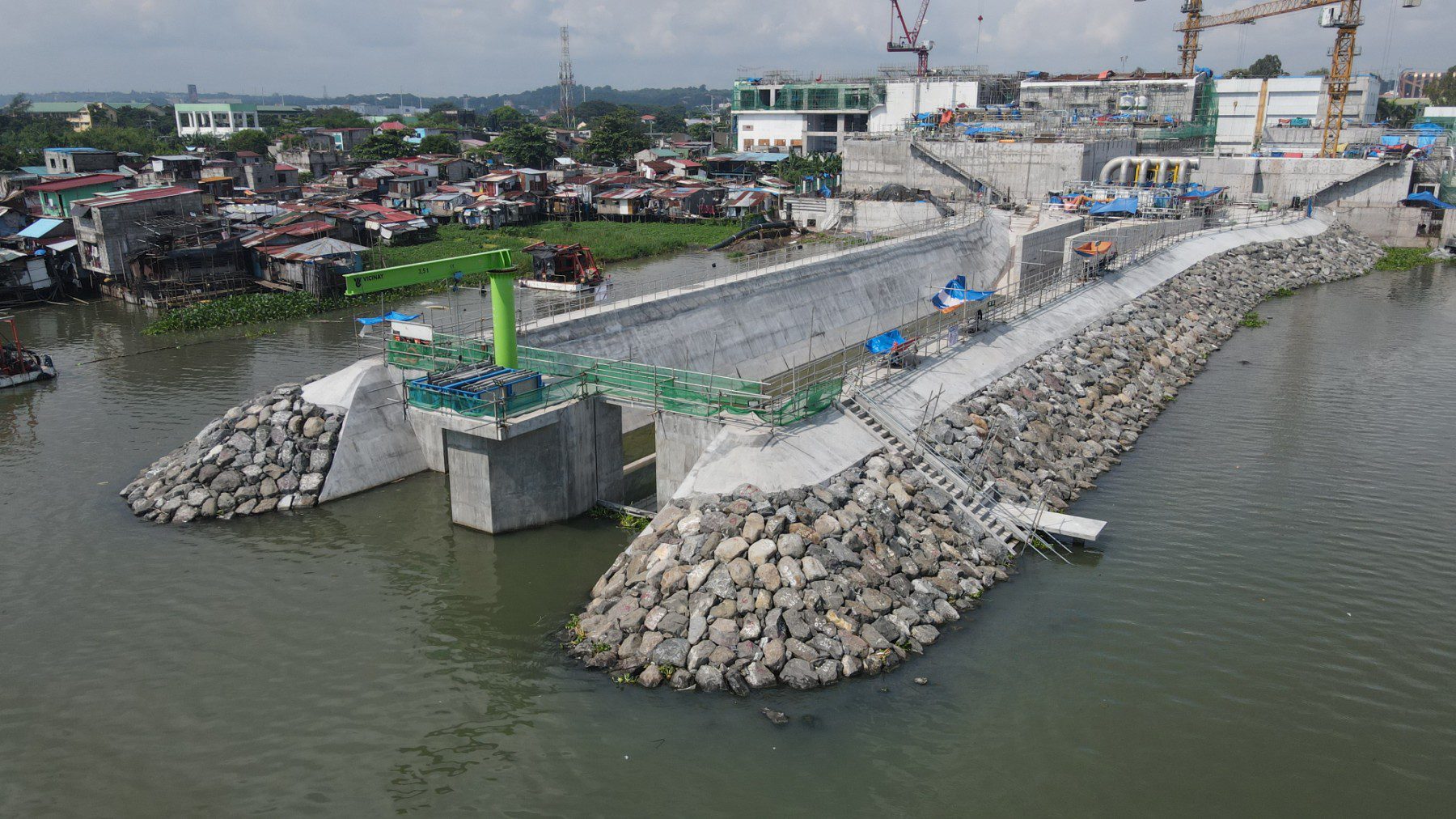
To prevent soil mixing and reinforce the gravel blanket, MIRAFI® Poyfelt® PEC geocomposite was implemented as a solution. MIRAFI Polyfelt PEC geocomposites are made from high tenacity polyester yarns and nonwoven geotextiles combining reinforcement with superior filtration and drainage functionality to enable finer – grained soils to be reinforced. Its high strength reinforcement properties and excellent in-plane drainage capabilities significantly reduce pore water pressure and increases structural stability. A layer of MIRAFI Polyfelt PEC200 was utilized to prevent soil mixing and reinforce the gravel blanket. Challenges posed by the side slope of the raw water intake channel, with an external slope angle of 1V:2.5H, were addressed by proposing MIRAFI Polyfelt PEC100 as reinforcement. This not only prevented backfill loss due to water movement but also ensured stability in the long term. Additionally, a layer of armor rock was placed atop the side slope to protect against erosion.
The adoption of innovative construction practices, such as raising ground levels and utilizing specialized materials namely MIRAFI Polyfelt PEC200 and PEC100, underscores a progressive approach to infrastructure development. These practices not only minimize environmental disturbance but also enhance long-term stability, setting a new standard for sustainable water treatment infrastructure.
Content is submitted by the participant. ATA is not responsible for the content descriptions of the IAA award winners.
Solmax
Solmax
Solmax
Solmax