TEXTILES.ORG



Company:
Tasman Canvas ltd
Project Details
Fabric 1
Diamond 700
Producer/Manufacturer:
Sattler AG
Primary Use:
Main Fabric
Fabric 2
DX12 poly cotton canvas
Producer/Manufacturer:
Wax Converters Textiles
Primary Use:
Secondary Fabric
Fabric 3
Cannonball poly cotton canvas
Producer/Manufacturer:
Wax Converters Textiles
Primary Use:
Additional Fabric
Fabric 4
Wool insulation
Producer/Manufacturer:
Terralana innsulation
Primary Use:
insulation
Design Name
Rowan Boot
Design Company
Tasman Canvas ltd
Fabrication Name
Emma Buscke
Fabrication Company
Tasman Canvas ltd
Installation Name
Rowan Boot and Emma Buscke
Installation Company
Tasman Canvas ltd
Please describe the project specifications
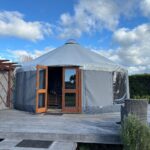
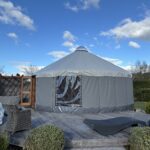
Our company was approached by two clients independantly for replacement exterior covers, linings and insulation for two existing Yurt structures both in Greytown , Wairarapa. Our company is based in the South Island.
We provided quotes and measurement sheets to start the process. We then premanufactured both the PVC outer roof cover and the ceiling liner to test fit onsite prior to completion to ensure a perfect fit. We then shipped the componants to the clients address and flew to Wellington and travelled by rental car to do the test fits.
The yurts had been built by the same builder but two years apart, so we discovered slight differences in overall dimensions, legitimising the double up on test fits.
Once we had the test fits done, we had the items picked up by our preferred freighting company and returned to our business premises.
We then completed the PVC roof and ceiling liner and manufactured the roof insulation, the wall insulation panels which are sandwiched in the canvas lining fabric and the exterior wall covers. Care needed to be taken with the wall covers as the canvas shrinks over time and enough allowance for this process is necessary.
We then freighted each of the assemblages independently as we needed two clear days each installation, so we did each of the installations 3 weeks apart.
Again, we flew to Wellington and hired vehicles to drive to Greytown . During the first of the installations the weather forecast deteriorated and high winds were expected on the second day. We worked a 16 hour day including travel and had the majority on the installation done by nightfall and managed the final details the next day in the storm. Thankfully during the installation of the second set of covers assemblage three weeks later we had premium weather.
What is unique or complex about the project?
These yurt recovers had the difficulty of completing detailed work at a distance with variances between the two structures. We also had to manage the logistics and planning challenges including weather windows and ensuring we had all the tools and supplies to cope with unforeseen issues with unseen differences in the original structures.
Content is submitted by the participant. ATA is not responsible for the content descriptions of the IAA award winners.
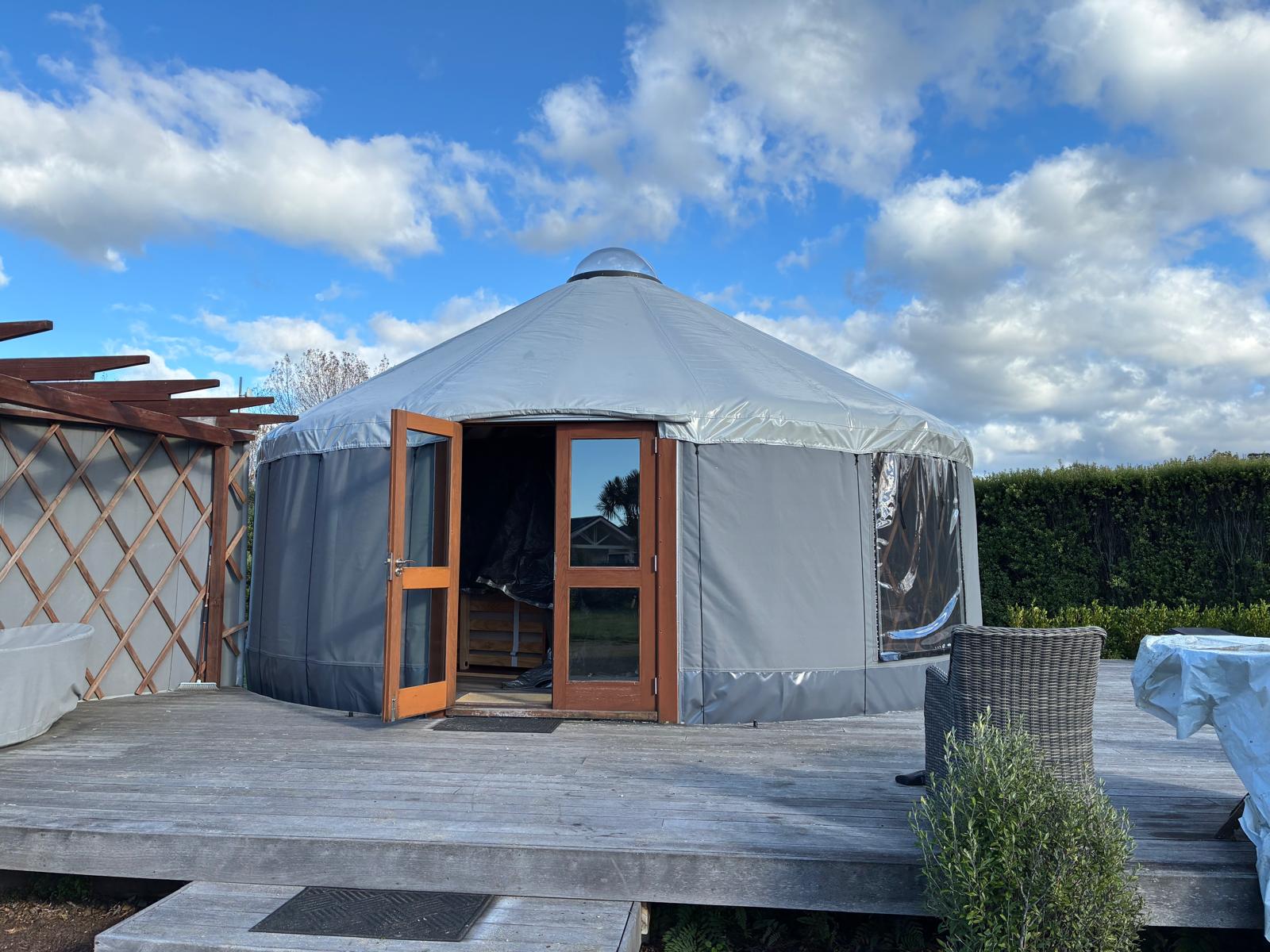
yurt no 2 yurt recover
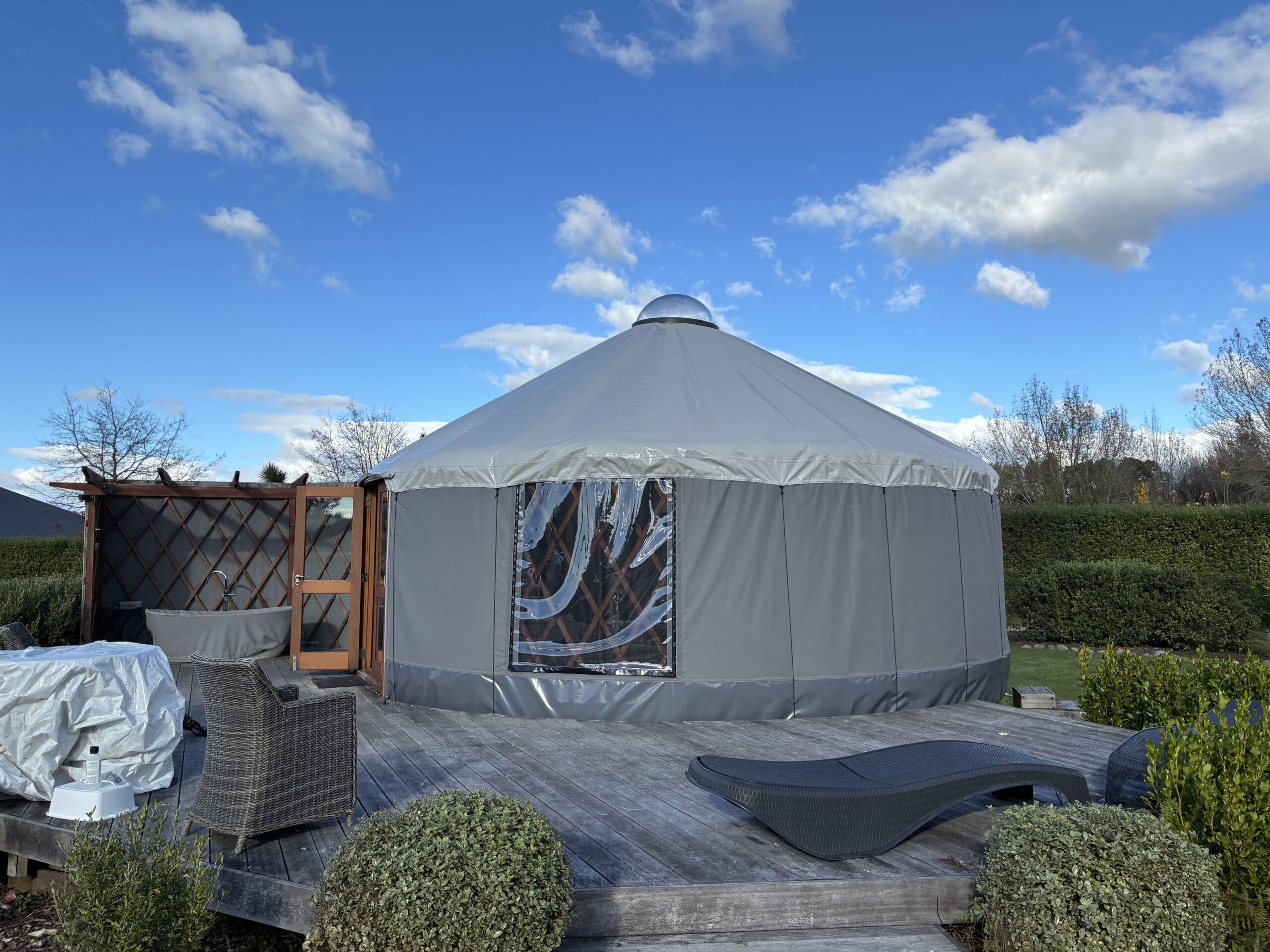
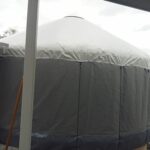
side profile
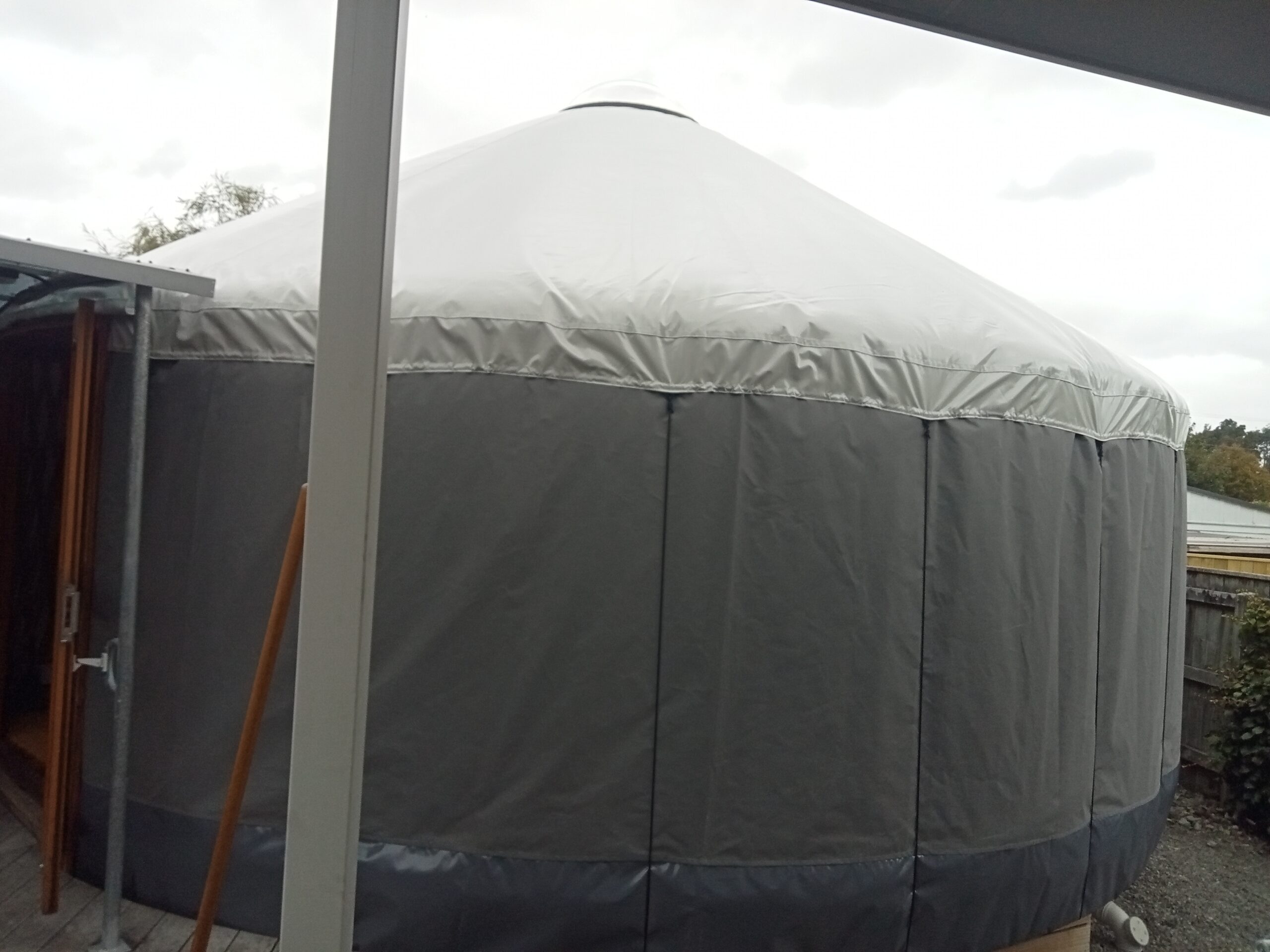
yurt no 1 side profile

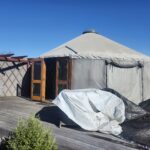
original covers
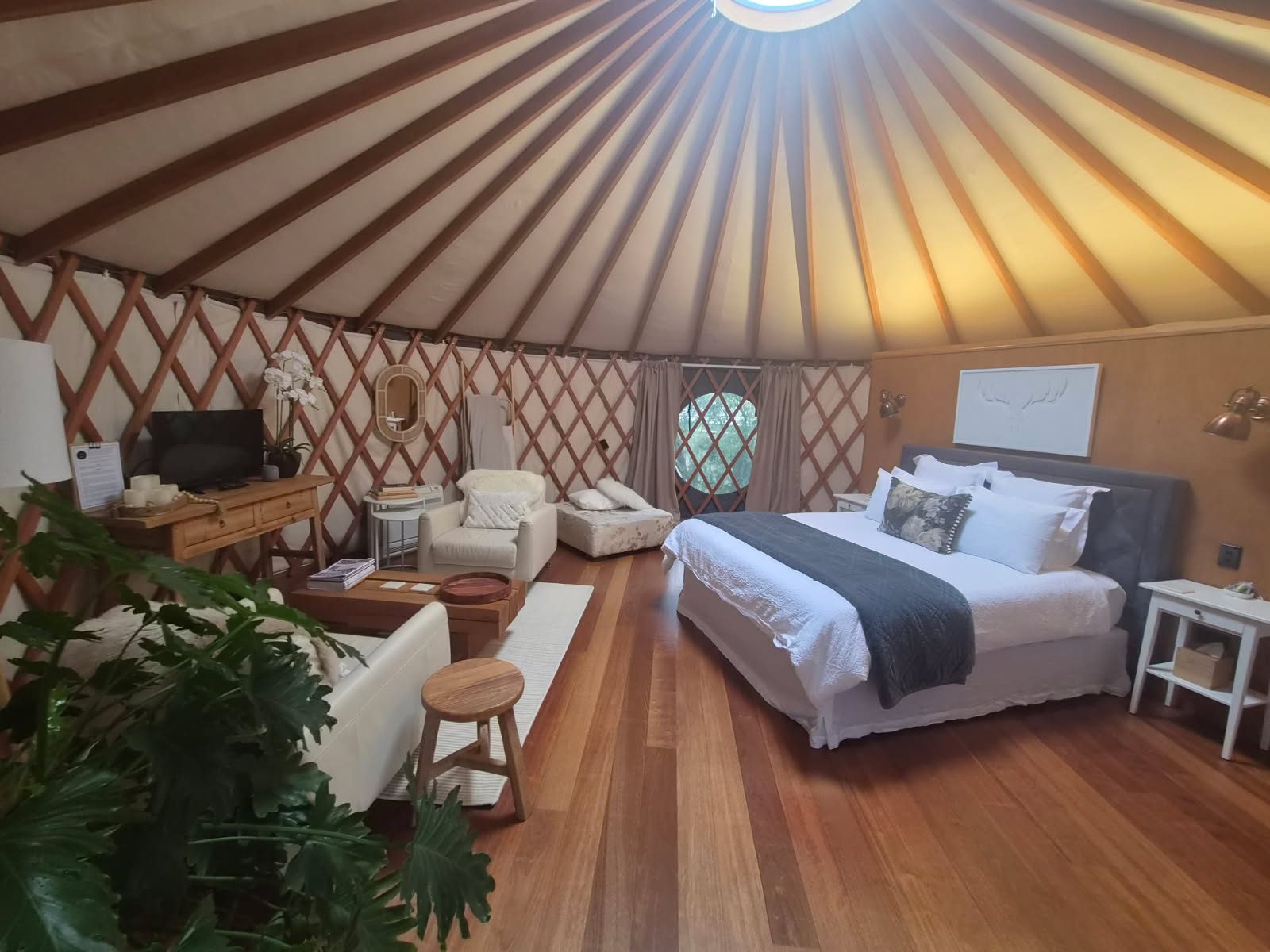
interior yurt no 1
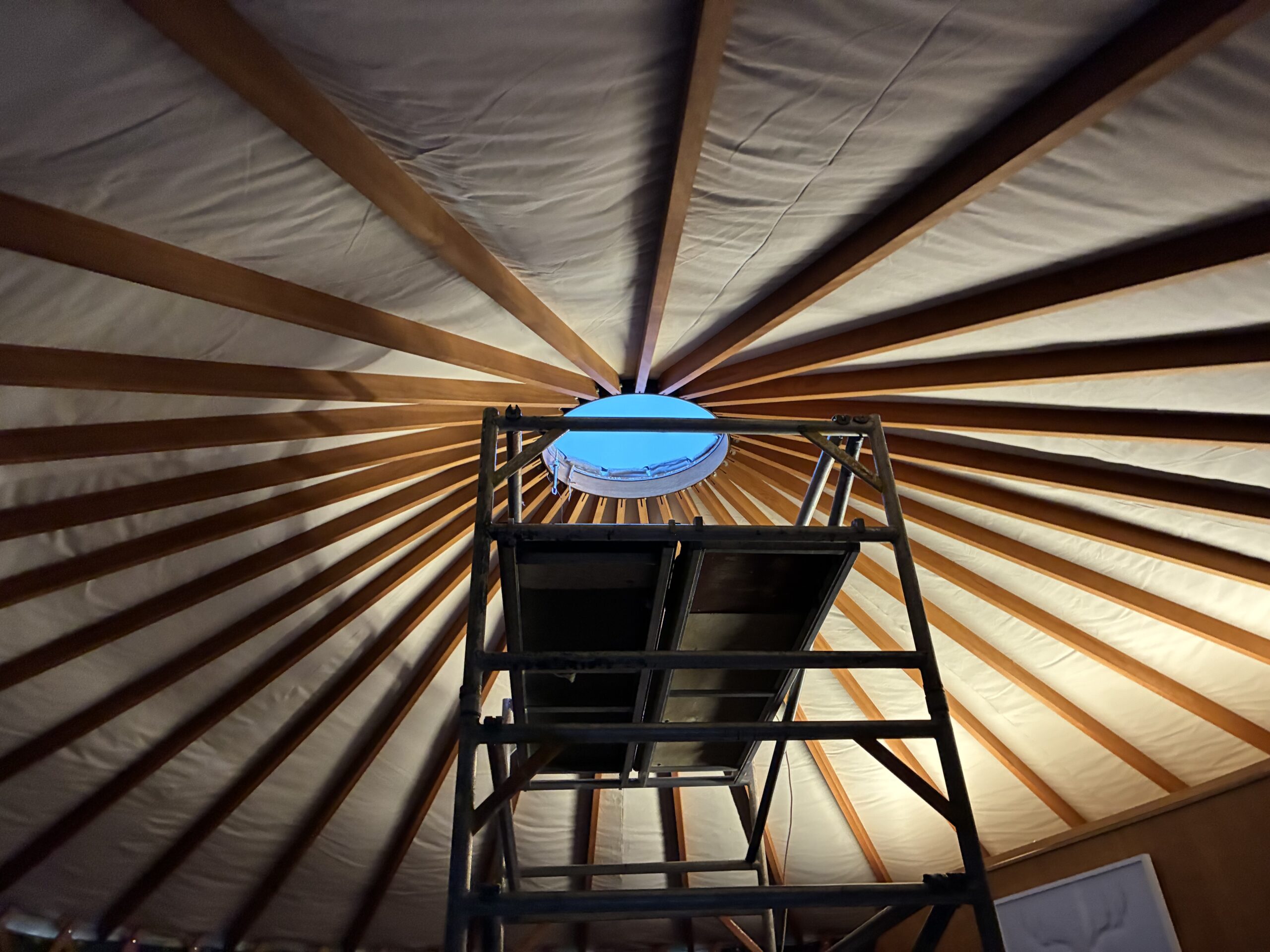
ceiling photo w scaffolding
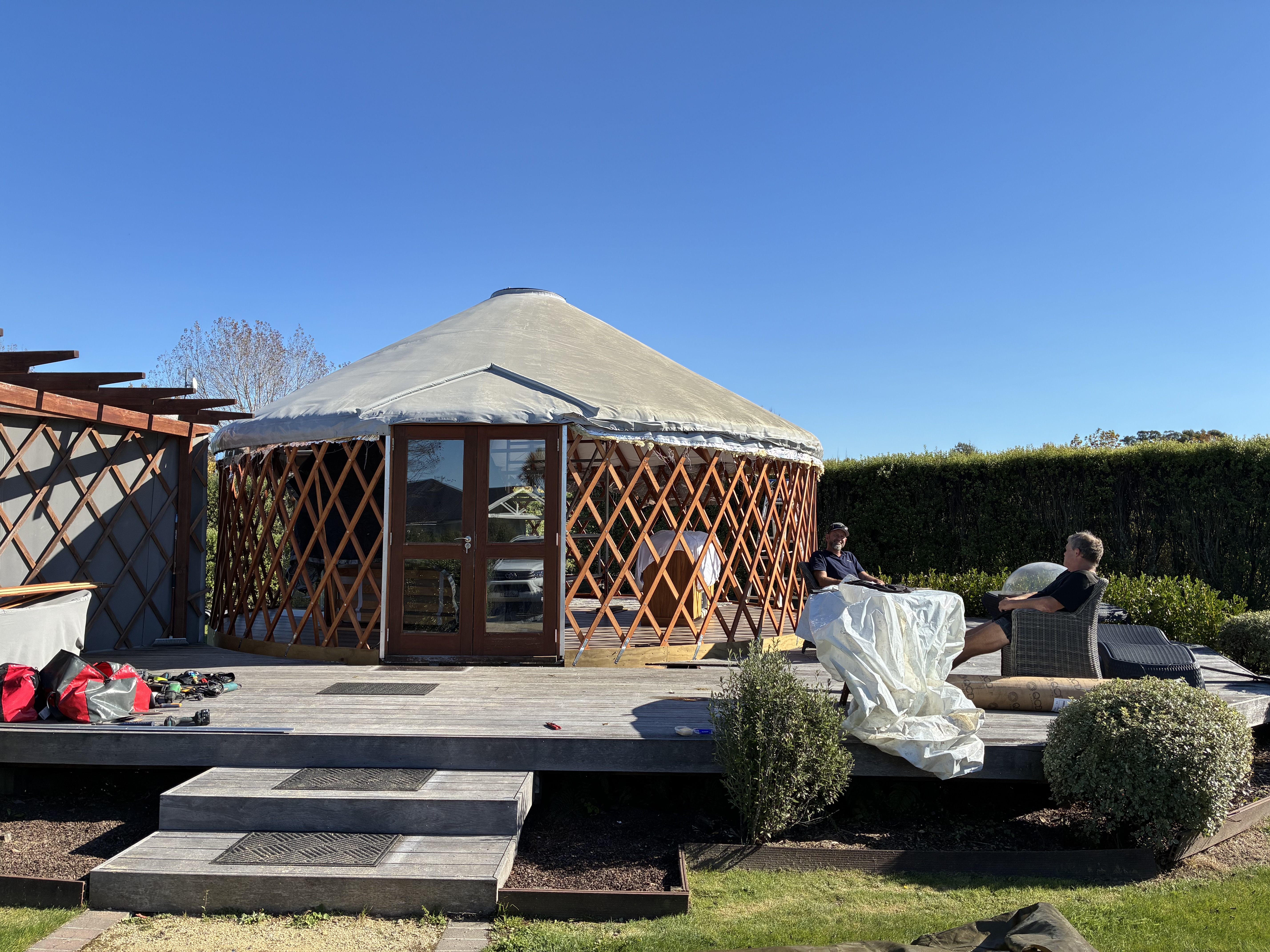
stripped down frame